



Stubborn belly fat has a way of holding on, no matter how hard you try. You clean up your diet, you log your workouts, and yet that midsection refuses to budge. It’s frustrating, and you’re not alone in feeling that way. Belly fat is one of the most difficult areas to slim down, partly because of biology and partly because of how your body stores energy.
Lately, a new player has entered the weight loss conversation: retatrutide. People are curious whether this peptide can finally tackle that tough belly fat once and for all. So let’s break down what the science actually says, what to expect, and where the real truth lies.
Why Belly Fat Is So Hard to Lose
Before we talk about retatrutide, it helps to understand what you’re dealing with. Belly fat isn’t just one thing. There’s subcutaneous fat that sits just under your skin, and there’s visceral fat that wraps around your internal organs.
Visceral fat is the more concerning type. It’s linked to higher risks of heart disease, type 2 diabetes, and inflammation. It also tends to be metabolically “active,” meaning it can affect your hormones and how your body processes sugar and fat.
The tricky part? Your body is wired to protect fat stores, especially around your core. Hormones, genetics, stress, and even sleep all play a role. That’s why spot-reducing belly fat through crunches alone simply doesn’t work. You need a whole-body approach, and that’s where new treatments come into focus.
What Is Retatrutide?
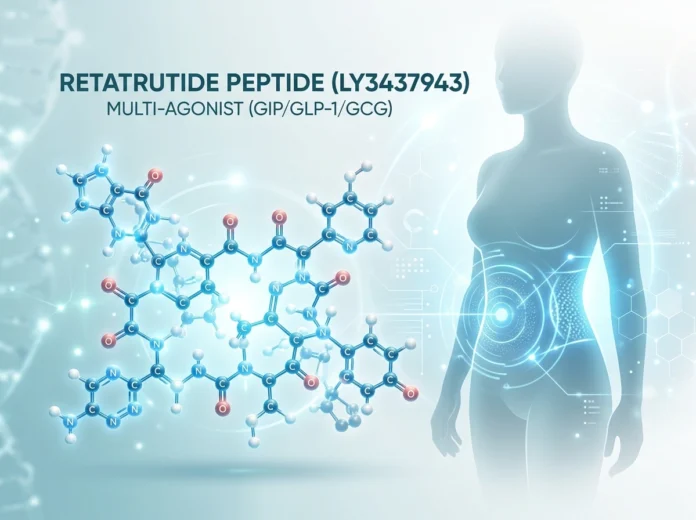
Retatrutide is an experimental peptide developed for weight loss and metabolic health. It belongs to a class of drugs that mimic natural hormones in your body to help regulate appetite, blood sugar, and fat storage.
What makes it stand out is that it acts on three different hormone receptors at once. Most earlier medications targeted only one or two. Retatrutide engages all three, which may explain why early results have caught so much attention.
If you want to dig deeper into the science behind this compound, you can explore detailed information about the retatrutide peptide and how researchers are studying it.
How Does It Work?
Retatrutide is what scientists call a “triple agonist.” It activates three key receptors:
- GLP-1 receptor – Helps reduce appetite and slows how fast your stomach empties, so you feel full longer.
- GIP receptor – Plays a role in insulin response and how your body handles fat and sugar.
- Glucagon receptor – This is the unique one. It can boost energy expenditure, meaning your body may burn more calories at rest.
That glucagon action is a big deal. By increasing how much energy your body uses, retatrutide doesn’t just curb hunger. It may also encourage your body to actually burn stored fat, including fat around your midsection.
Can It Really Target Belly Fat?
Here’s where things get interesting. While no treatment can magically melt fat from just one spot, retatrutide appears to influence the type of fat that often collects around the belly.
Because the glucagon receptor is involved, the peptide may help mobilize fat from storage and increase fat oxidation. In simple terms, your body becomes better at using stored fat for fuel. Since visceral fat is metabolically active, it’s often among the first to respond when overall fat loss kicks in.
Many people who lose significant weight notice their waistline shrinks. That’s not because retatrutide picks the belly specifically. It’s because the peptide drives meaningful total fat loss, and the abdomen frequently shows visible change as that happens.
What Does the Research Say?
The buzz around retatrutide isn’t just hype. It comes from clinical trials that have produced striking numbers.
In a notable phase 2 study, participants who took higher doses of retatrutide lost an average of around 24% of their body weight over roughly 48 weeks. That’s a remarkable figure for a weight loss medication, and it outpaced many earlier treatments.
Researchers also observed improvements in:
- Blood sugar control
- Cholesterol and triglyceride levels
- Liver fat reduction
- Blood pressure
The reduction in liver fat is especially relevant to belly fat discussions. Fatty liver often goes hand in hand with excess visceral fat, so improvements there suggest the peptide is working deep within the body, not just on the surface.
It’s worth noting that these studies are still ongoing. Retatrutide has not yet received full regulatory approval as of now, which means it’s still being carefully evaluated for safety and long-term effects.
Potential Benefits
Based on what we’ve seen so far, the possible upsides include:
- Significant weight loss that often exceeds older medications
- Reduced visceral and liver fat, which supports better metabolic health
- Improved blood sugar regulation, helpful for those at risk of diabetes
- Appetite control, making it easier to stick to a healthy eating plan
- Increased energy expenditure, thanks to the glucagon action
For people who have struggled for years with stubborn belly fat, these benefits paint a hopeful picture.
Limitations and Things to Keep in Mind
As promising as it sounds, retatrutide isn’t a miracle fix, and honesty matters here.
First, it’s still investigational. Long-term safety data is limited, and we don’t yet know the full picture of how it affects the body over many years.
Second, weight loss medications work best alongside lifestyle changes. Diet, movement, sleep, and stress management still matter. The peptide can support your efforts, but it won’t replace healthy habits.
Third, results vary from person to person. Genetics, starting weight, and how your body responds all influence the outcome.
Safety Considerations
Like other peptides in this category, retatrutide can come with side effects. The most common ones reported include:
- Nausea
- Vomiting
- Diarrhea
- Reduced appetite
- Fatigue
These tend to be more noticeable when starting treatment or increasing the dose, and they often ease over time. Still, anyone considering this peptide should do so only under proper medical supervision. Self-experimenting with research compounds is risky and not recommended.
Is Retatrutide Right for You?
That’s a decision best made with a qualified healthcare provider. If stubborn belly fat is tied to a larger weight or metabolic concern, a doctor can help you weigh the pros and cons based on your unique health profile.
Keep in mind that because retatrutide is still in development, access is currently limited mostly to clinical settings and research. As trials continue and approval processes move forward, availability may change.
The Bottom Line
So, can retatrutide help with stubborn belly fat? The honest answer is: it shows real promise. The science suggests it drives substantial fat loss, reduces visceral and liver fat, and improves several markers of metabolic health. For many people, that translates into a slimmer waistline as part of broader weight loss.
But it’s not a shortcut, and it’s not yet a finished story. The most reliable results still come from combining medical guidance with smart lifestyle choices. Retatrutide may become a powerful tool in the fight against belly fat, yet it works best as part of a complete approach rather than a standalone solution.
If you’re curious about this peptide, stay informed and talk to a healthcare professional before making any decisions. The future of weight management is evolving fast, and retatrutide is one of the most exciting developments to watch.